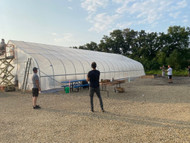
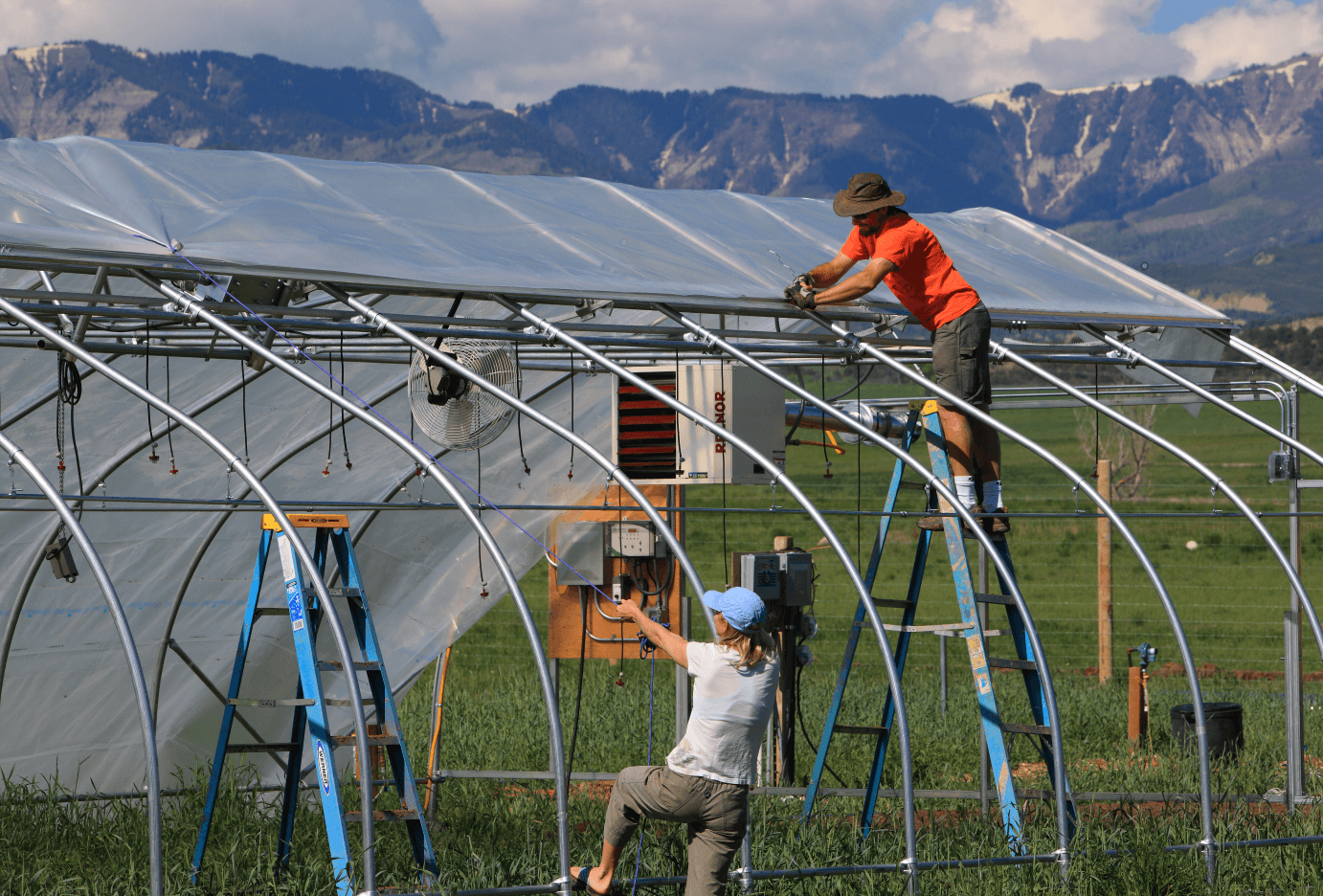
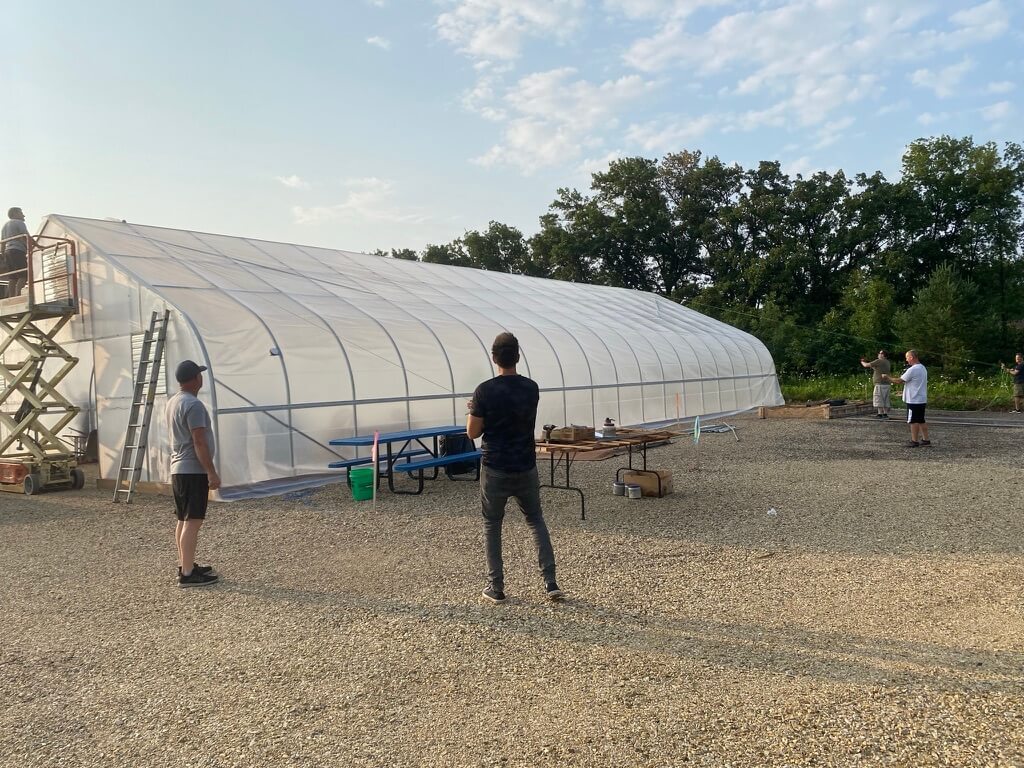
Changing out your high tunnel’s plastic covering is an often dreaded greenhouse maintenance task. While the recommendation is to change out poly at least every 4-5 years, we regularly hear from growers whose plastic hasn’t been replaced in 6-8 years or even more.
A common misconception is that if the plastic doesn’t look cloudy or yellow and there are no tears or obvious signs of wear, that it does not need to be replaced. However, regularly replacing poly is an essential part of high tunnel maintenance that can have a measurable impact on productivity and crop health.
Light Degradation
Research has shown that greenhouse film can lose 2-5% light transmission each year due to the effects of UV radiation and particle accumulation.
Sunlight’s UV rays break down the chemical bonds in greenhouse poly, degrading its structure. Dust, dirt and other airborne particles that accumulate on the plastic can cause additional reduction in light transmission. While cleaning the poly each year helps, these particles tend to stick to plastic. This means the light transmission of poly degrades significantly after 4-5 years.
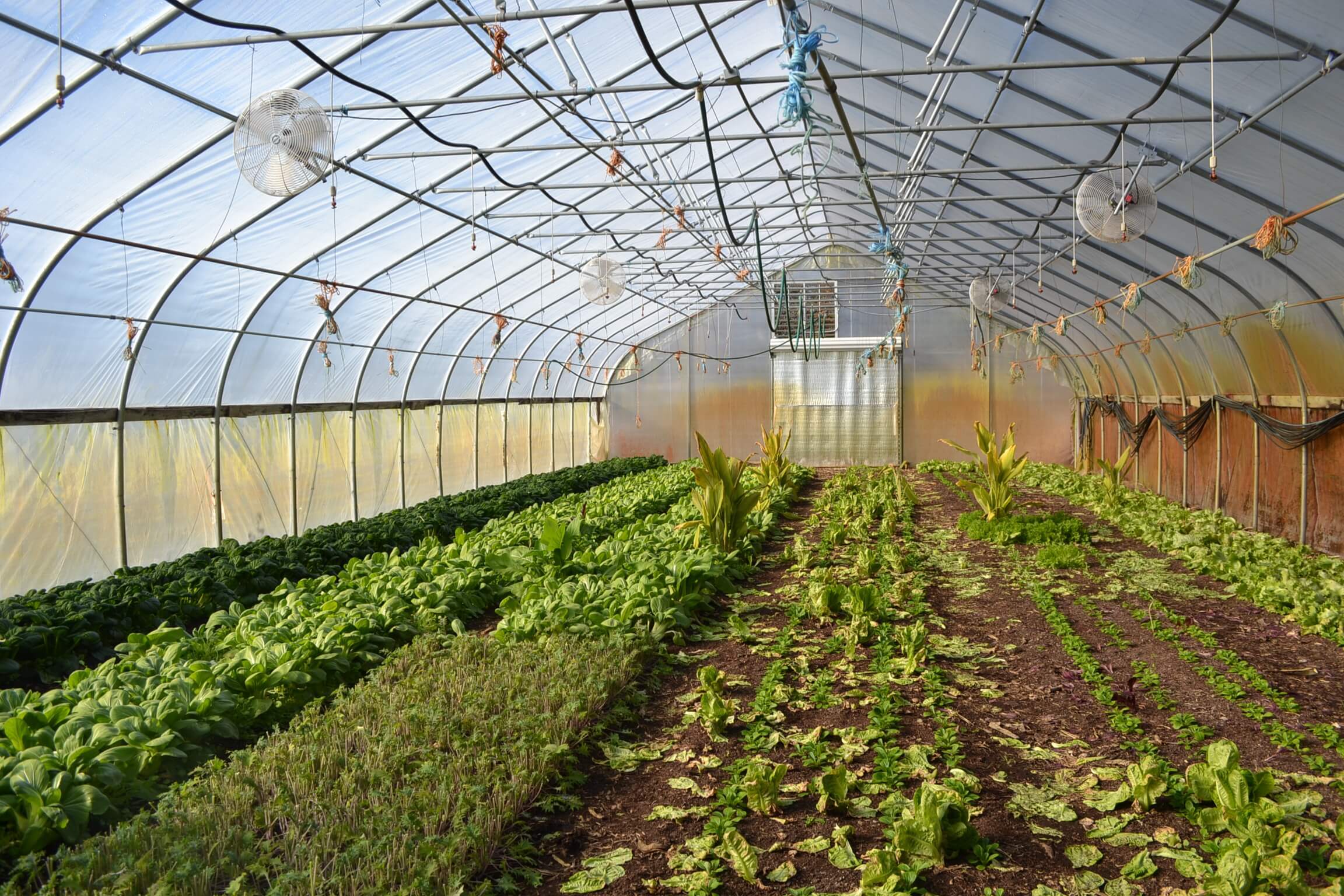
Over time, this degradation becomes visible – poly will appear cloudy or yellow and will become brittle, a surefire sign that it is time to replace the covering. But even before these changes are visible, light degradation is occurring, impacting plant health. Even a small reduction in light transmission can cause a decrease in plant yield.
It is difficult to notice the reduction in light and difference in crop yields because it happens so slowly. For example, if you are a plug grower and a crop usually takes 8 weeks in the early spring to get up to size, it may take 9 weeks if you have old poly. However, the heat savings alone for that extra week of growing pays for the new poly. If you are growing a vegetable crop in the ground, you may blame “Mother Nature” for differences in crop yields – but if you have old poly, reduced light is likely a key factor. Increasing your yields by even 1% can equate to hundreds in increased profit.
Soil Health
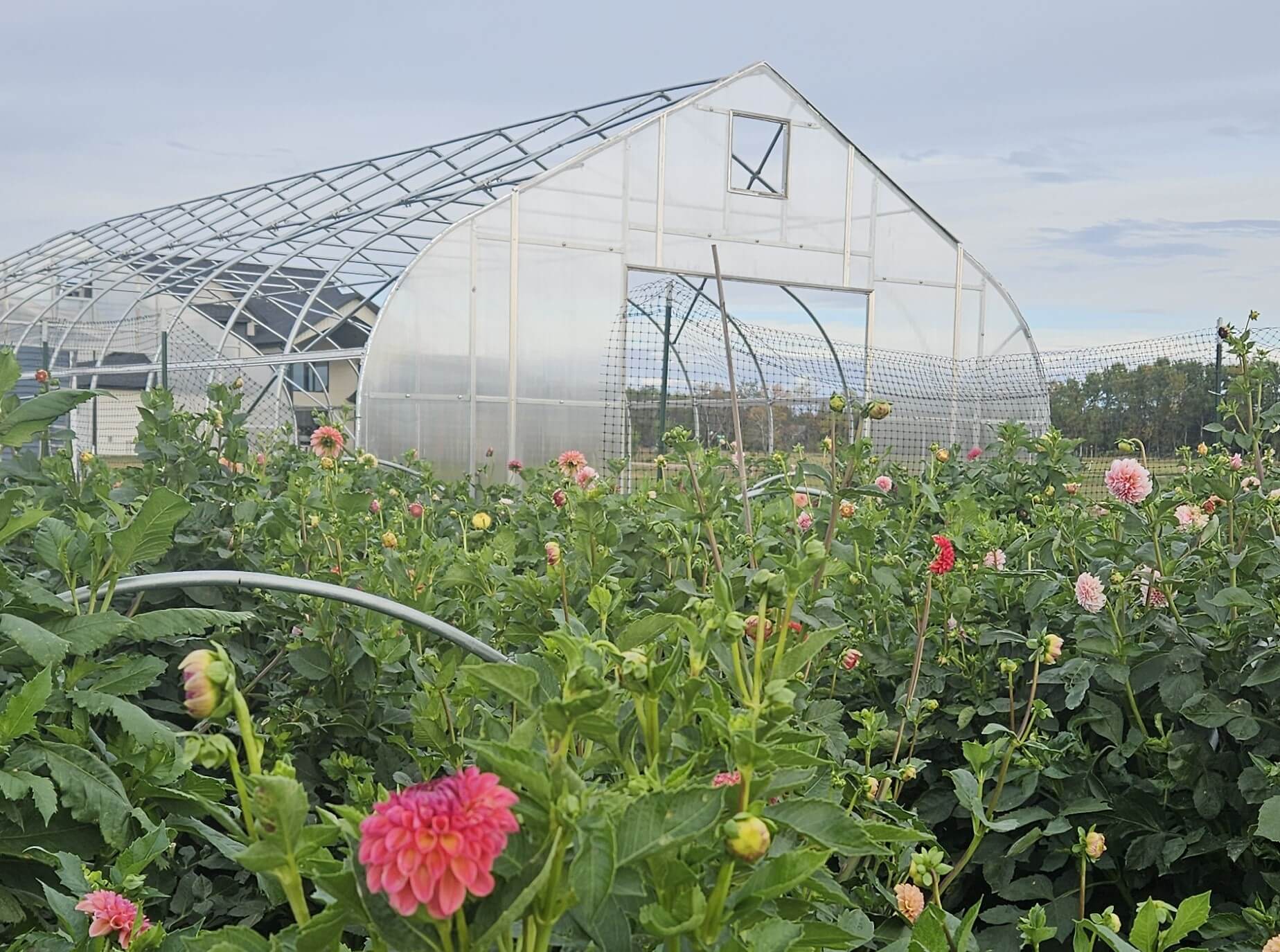
Changing your poly can also create an opportunity to improve soil health. When changing your poly, consider leaving your high tunnel uncovered for a short time to allow rainfall to flush excess salt from the soil. This can have a measurable impact on soil health.
One key metric growers can use to determine if you should flush your soil is the “Electrical Conductivity (EC)” on your soil test. If the EC number is too high, that means there is a buildup of salts from fertilizer or manure-based compost. Pulling the poly and flushing the soil is the best way to flush the salts out.
While replacing poly can be an intensive chore, the relatively low cost of the materials compared with the potential increase in output creates a clear return on investment.
Rimol Greenhouses has greenhouse poly in many different sizes available in stock in our warehouse. If you have questions or need assistance with re-covering, get in touch with our experts and we can help you with your upcoming high tunnel maintenance.