What is the difference between gutter-connected and freestanding greenhouses? What is a gutter-connected greenhouse? Do I need a gutter connect greenhouse?
These are common questions, especially among first-time greenhouse buyers. Here, we explain some of the common terms used when discussing greenhouse structures and highlight some of the key differences between freestanding, gothic shaped structures and peak-roof, gutter-connected greenhouses.
Freestanding vs. gutter-connect greenhouse
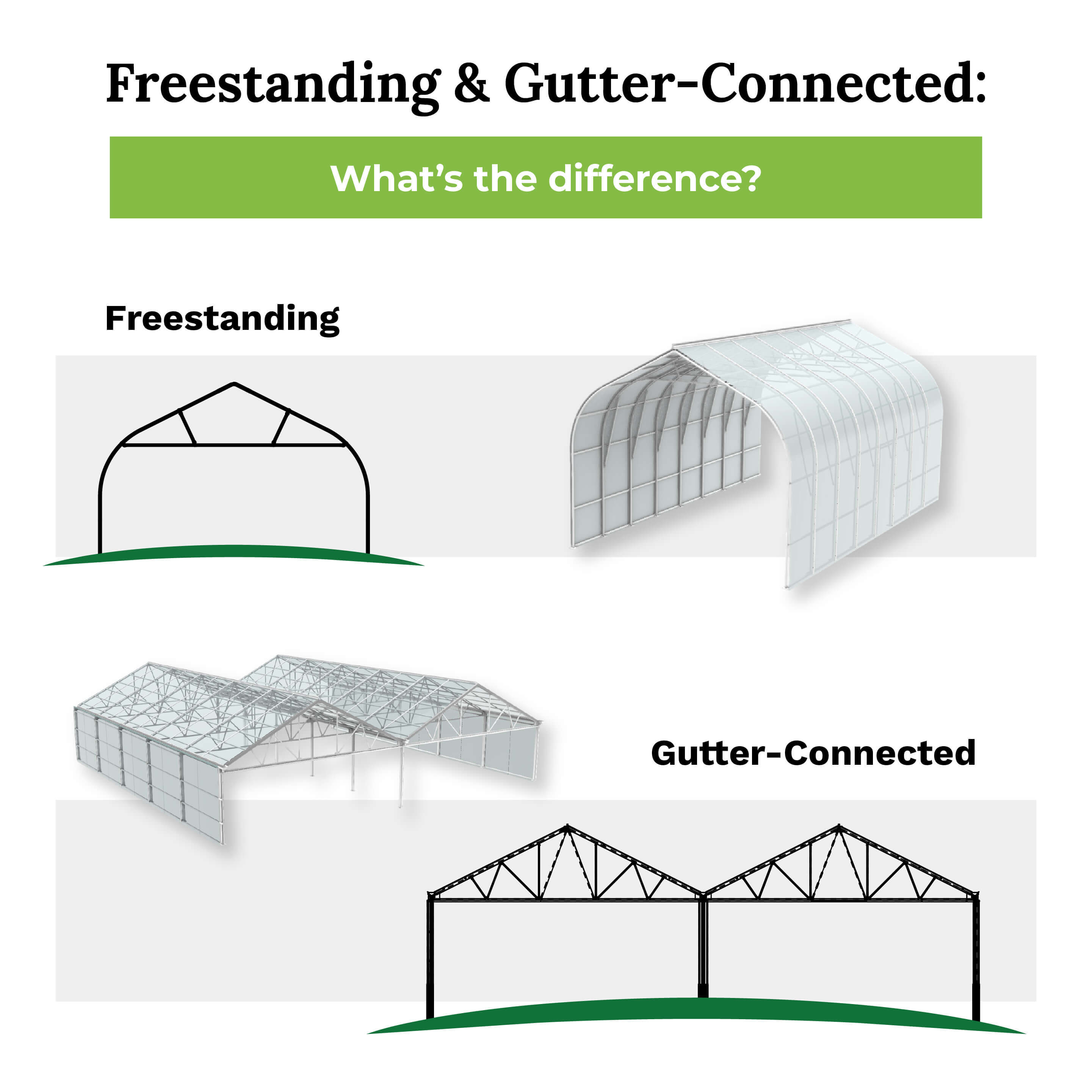
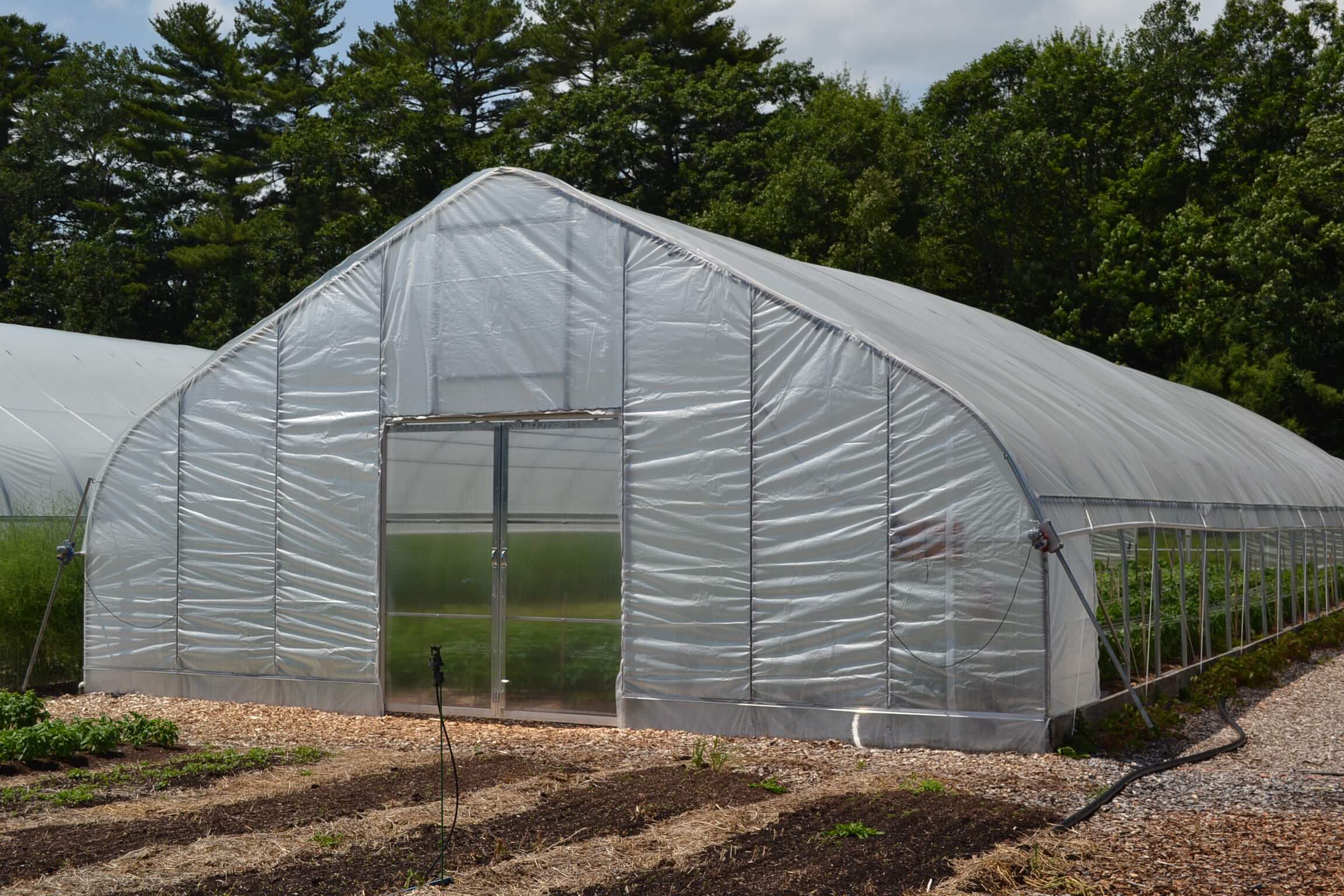
A freestanding greenhouse is a standalone structure that is used for growing, which is not connected to other greenhouse structures. Freestanding greenhouses can sometimes be attached to a building at one gable end, but generally they are built on a standalone site. At Rimol, our freestanding greenhouses would be our traditional gothic-shaped greenhouses and high tunnels, like the Nor’Easter, Northpoint, Eastpoint and Bobcat.
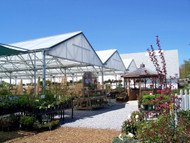
A gutter-connected greenhouse is a style of commercial greenhouse that allows for the connection of multiple greenhouse structures on the sidewalls, at the gutter. The Matterhorn is Rimol’s flagship gutter-connect greenhouse.
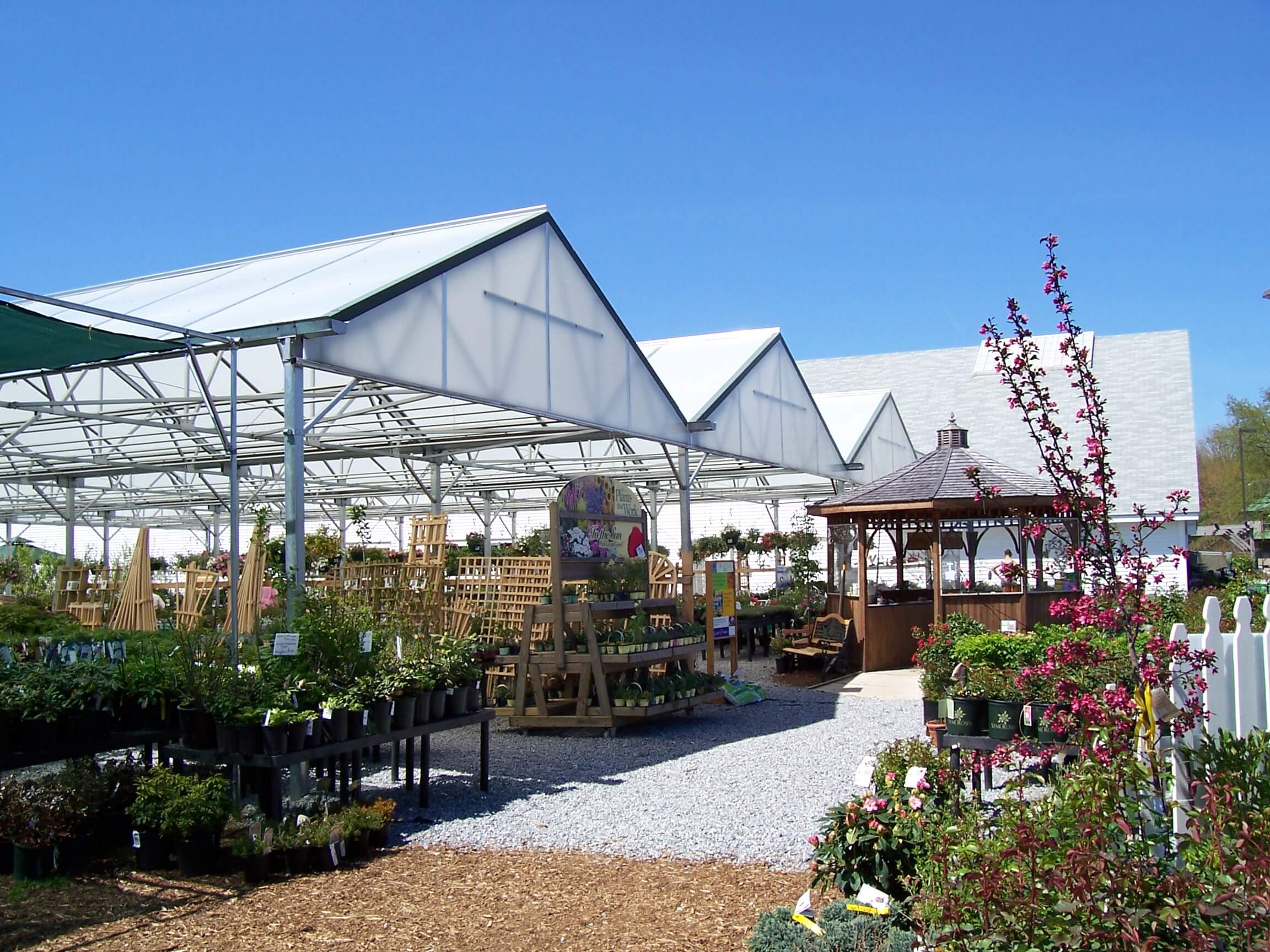
Each greenhouse in the connection is referred to as a “bay.” Greenhouse bays can gradually be added over time, allowing for easy expansion as the business grows. Many multi-bay gutter-connected greenhouses are designed without internal walls, creating a large open growing space that can be ideal for commercial growers, CEA operations, universities, nurseries and garden centers.
Benefits of gutter-connected greenhouses
Gutter-connected greenhouses offer strength and versatility, with near-infinite expansion potential. There is flexibility in that growers can start with even just a single-bay greenhouse, and add on as budget and operations capacity allows.
Gutter-connected greenhouses can be ideal for large-scale growing operations. Because they do not require internal walls, these structures maximize growing space for agricultural producers. The larger internal air volume reduces fluctuations in temperature and humidity, creating a better growing environment for plants.
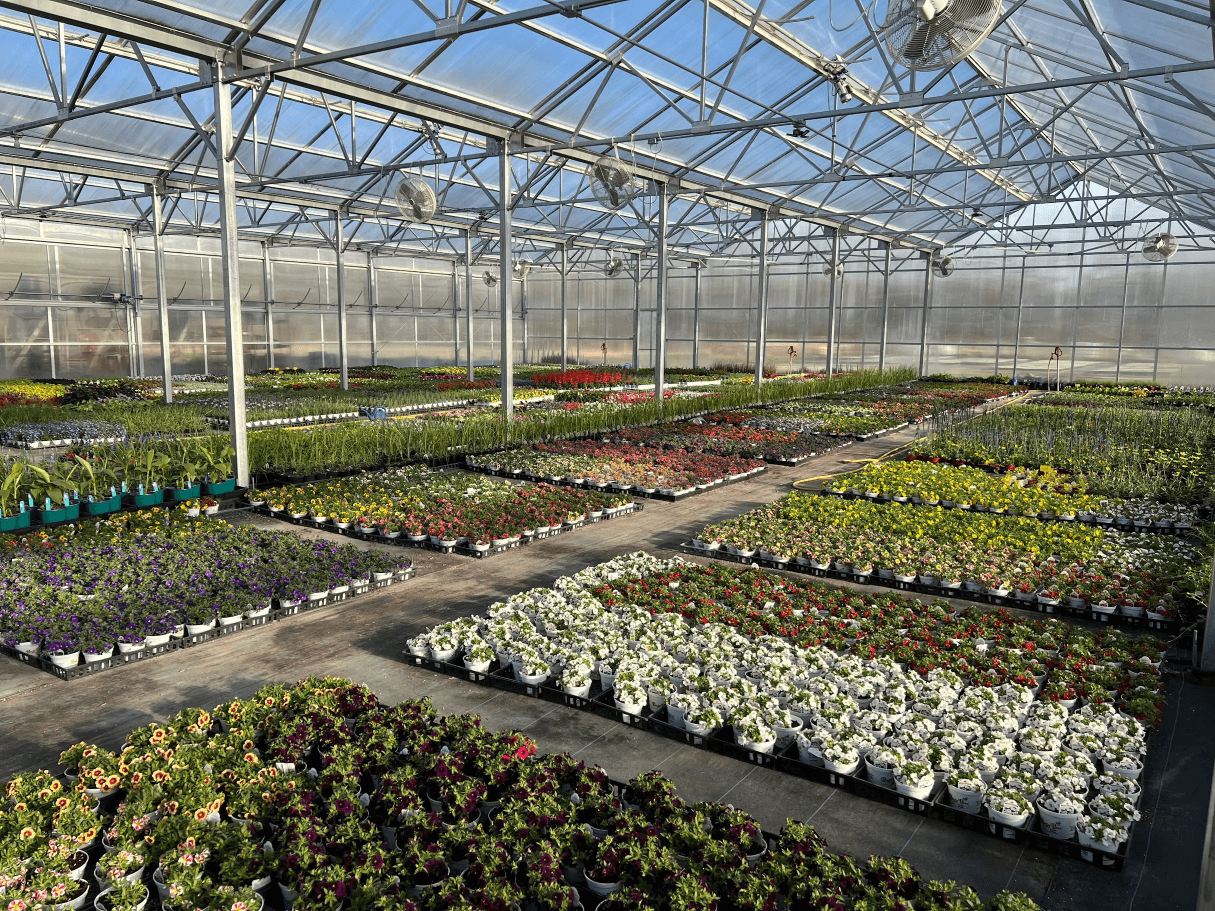
Gutter-connected greenhouses also typically have advanced environmental control systems to manage heating, cooling and ventilation, helping to produce high-volume, high-quality crop yields, and ultimately save money on utility costs.
Finally, these greenhouses are also designed for permanent use, meaning that they will hold up against wind and snow in severe climate areas. They are built on a concrete pad and typically require stamped engineering plans. This means that they can be certified for occupancy in a school or retail setting.
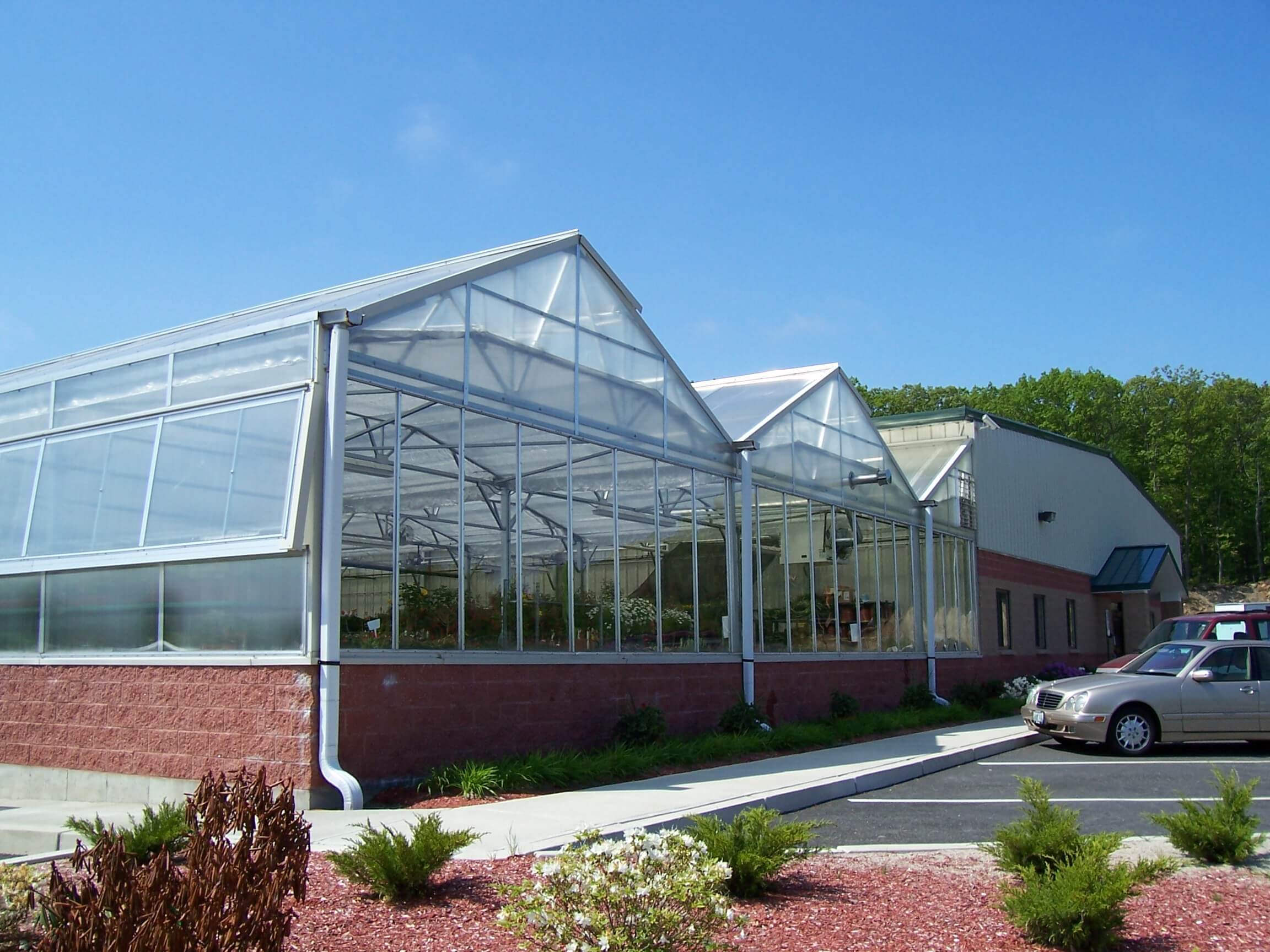
If you have questions about Rimol's Matterhorn gutter-connected greenhouse, get in touch with us to discuss your upcoming project!