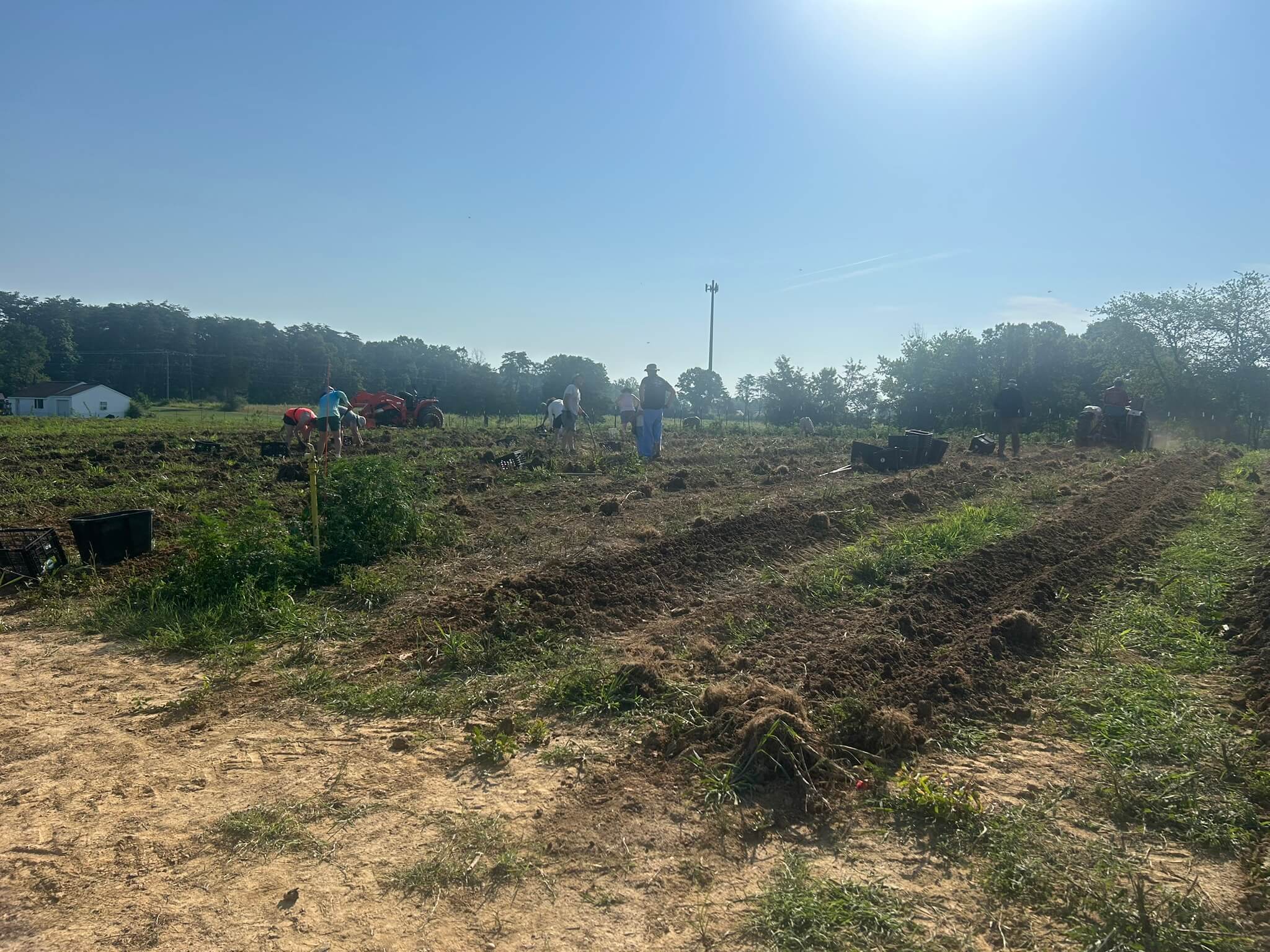
By 8am on the Fourth of July, the temperature in Fredericksburg, Virginia had already reached 90 degrees – and yet the parking lot at Rappahannock Education Farm was full. Over 30 volunteers came out to the farm to harvest potatoes, tomatoes, squash and other crops to be donated to the local food bank. Nearly every weekend, the farm is filled with dozens of volunteers who come out to plant, prune and pick fresh fruits and vegetables for the community.
The Rappahannock Education Farm was founded in 2024 in Fredericksburg with the purchase of a 9-acre parcel of land, which has now expanded to a total footprint of 11.5 acres. The farm’s mission is to reduce hunger and food insecurity in the community by growing and donating produce, while also teaching people how to grow their own food. According to the Fredericksburg Regional Food Bank, the city of Fredericksburg has a 17.9% food insecurity rate, and a 23.2% child food insecurity rate. In 2025, The Rappahannock Education Farm donated a total of 43,000 pounds of produce to local food bank organizations, surpassing their harvest goals.
Rich Larochelle, Chair of the Rappahannock Education Farm, was interested in adding a greenhouse to the farm to diversify their year-round produce offerings. “In our Virginia climate, we can grow pretty much year-round, but in the fall and winter it’s really just cold-weather crops like kale, collards, onion and spinach. We wanted to be able to grow a wider variety that we could make available to the food bank, and the greenhouse gives us the opportunity to accomplish that,” he said.
Rich took a trip to Community Harvest Project in Grafton, Massachusetts, where he first heard about Rimol Greenhouses. “The folks that run this farm are very inspirational, they’re committed to the same goals as the Rappahannock Education Farm, and they are generous people willing to share information,” said Rich. “They gave me a tour of their farm, and I saw the Rimol greenhouse. The folks there said how much they appreciated it and liked the greenhouse.”
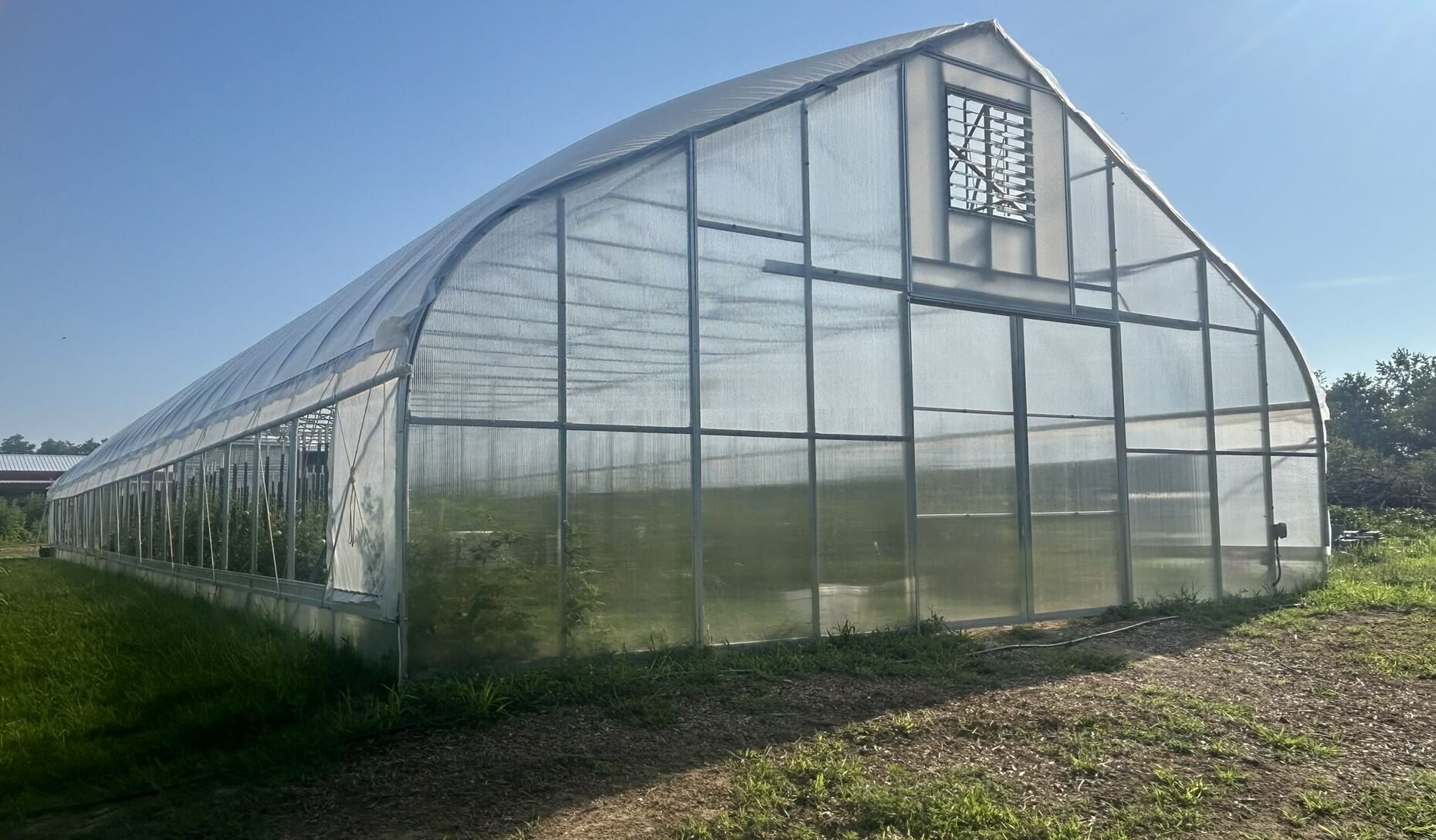
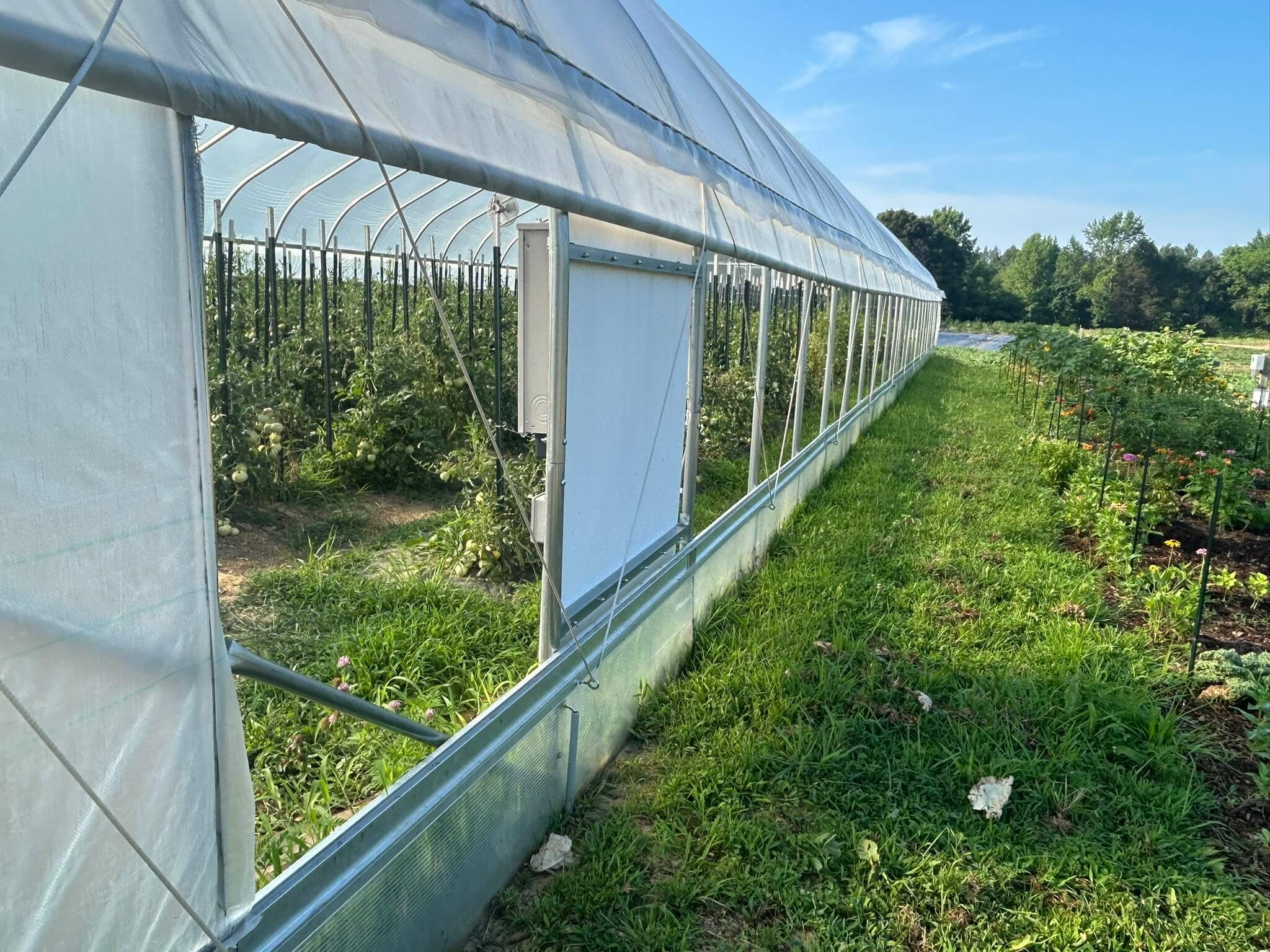
Rich worked with Southeast Sales Representative Brian Hannon to design a 30’ x 96’ Rimol Nor’Easter High Tunnel to fit their needs. Since the farm is run by volunteers, automation was an important addition. The high tunnel features a propane heater, HAF fans, automated roll-up sides, and a Bartlett ClimateBoss Easywire Mini environmental controller to keep the operation running smoothly.
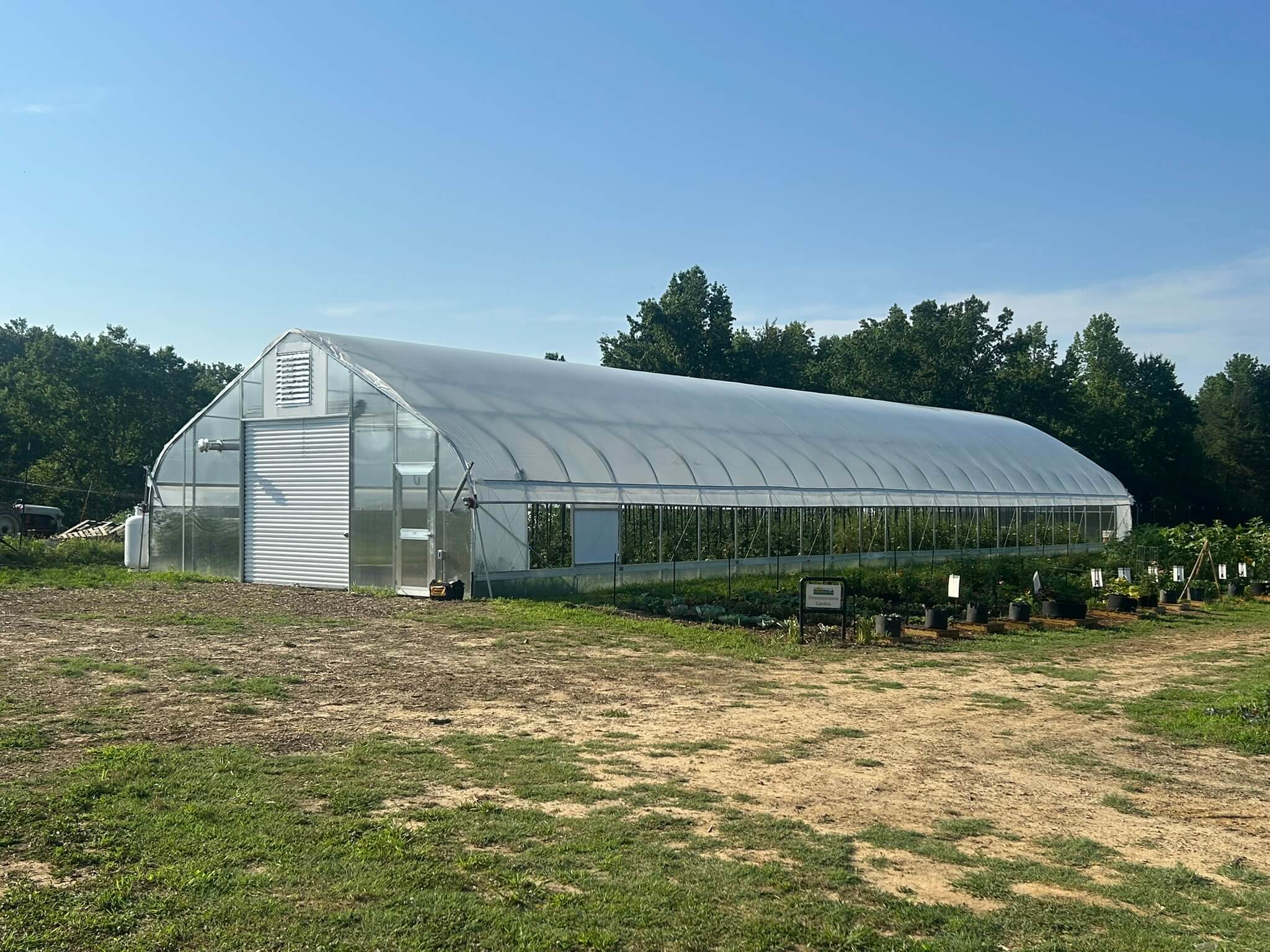
It took a team of volunteers about 8 weeks to construct the high tunnel. “Any time we had a question, Brian was a great help,” said Rich. “We had a great team of people working on the greenhouse, but if we hit up against a roadblock we would just call Brian and he was always available to share information.”
As soon as the tunnel was completed in the spring, the Rappahannock team planted 260 tomato plants. “We were able to get tomatoes from the greenhouse much sooner than we could get them from our fields,” explained Rich. “The controlled temperature also greatly facilitates the growth of the tomatoes and their ability to produce fruit. We grew over 1,000 pounds of tomatoes early in the season, when we otherwise would have had to wait until June.”
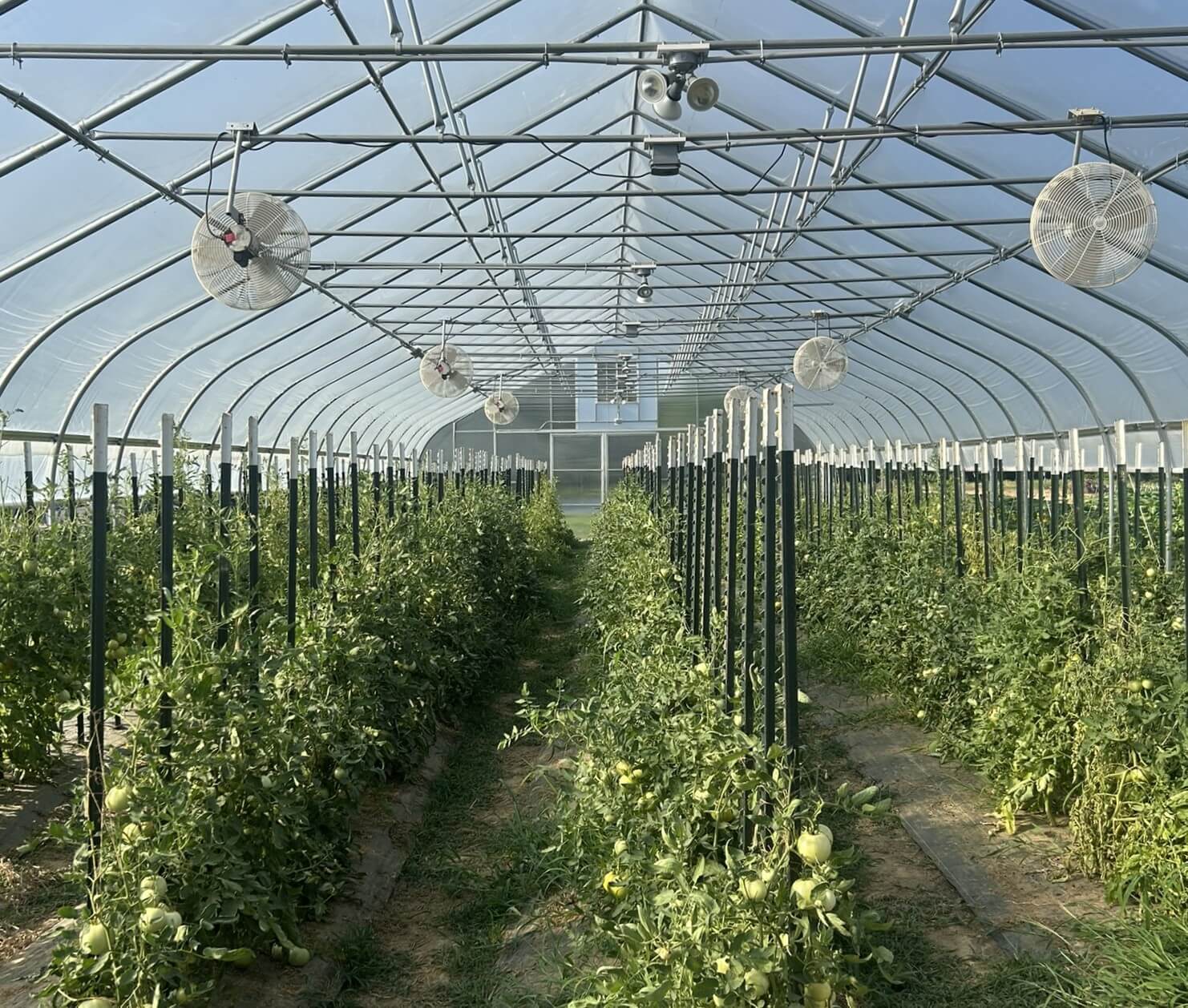
Rich also shared: “The automation has been great. We’re all volunteers so we’re not at the farm all the time. I was worried about the time when it might be 95 degrees outside and 120 inside the greenhouse if the sides were down and we’re not there to physically crank those sides up. The automation works beautifully – when it hits a certain temperature inside the greenhouse, six circulating fans go on and the sides go up and down varying amounts to keep it nice in there.”
The Rappahannock Education Farm’s goal for 2026 is to grow and donate 60,000 pounds of produce, but they are already well on their way to surpassing that – with over 55,000 pounds donated as of August 1. “The greenhouse will be a great ongoing asset to our farm and to the community we serve,” said Rich.
“It’s also something people really enjoy spending time in,” he added. “When we have volunteers and it’s raining that day, they can work in the greenhouse. We also have a lot of school groups that come to the farm that absolutely love the greenhouse. It gives the kids hands on experience of planting, caring for plants, and harvesting flowers and vegetables. We can bring teachers and students into the greenhouse and give them that experience.”
You can learn more about Rappahannock Education Farm on their website and on their Facebook and Instagram pages.